Introduction
Many people want smoother, brighter skin. A chemical peel can help. But choosing the right chemical peel for your skin type is important for safe and effective results. With so many options, it can feel confusing. However, knowing your skin type and the types of peels can make the choice easier. In this blog, you will learn how to pick the best chemical peel for your needs.
What Is a Chemical Peel?
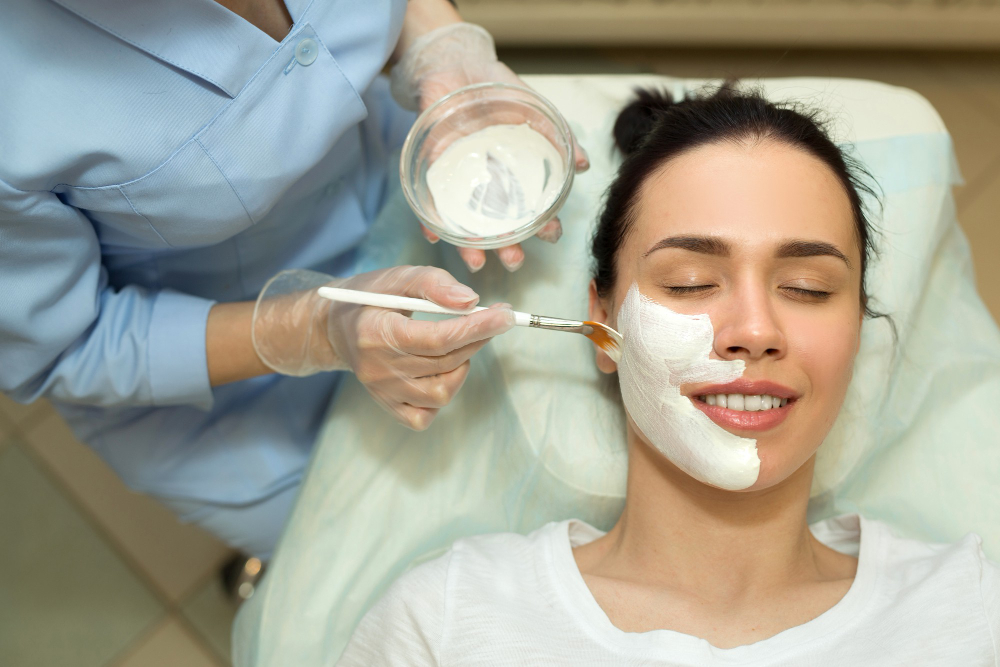
A chemical peel is a skin treatment. It uses a special solution to remove the top layers of skin. As a result, new, healthy skin grows in its place. Chemical peels can help with acne, fine lines, dark spots, and uneven skin tone. According to the American Academy of Dermatology, peels are safe when done by trained experts.
Types of Chemical Peels
There are three main types of chemical peels. Each type works at a different depth:
How to Identify Your Skin Type
Before choosing a peel, you need to know your skin type. This helps you pick the safest and most effective option. Here are the main skin types:
For best results, wash your face and wait an hour. Then, check how your skin feels and looks. This simple test can help you decide your skin type.
Matching Chemical Peels to Skin Types
Choosing the right peel depends on your skin type. Here are some tips:
For darker skin tones, choose peels with care. Some peels can cause dark spots. Always ask a dermatologist for advice.
Benefits and Risks of Chemical Peels
Chemical peels offer many benefits. For example, they can:
However, there are some risks. These include redness, swelling, and peeling. In rare cases, infection or scarring can occur. According to the American Academy of Dermatology, following aftercare instructions lowers these risks.
How to Prepare for a Chemical Peel
Proper preparation helps you get the best results. Here are some steps to follow:
Preparation is key to a safe and smooth experience.
Aftercare and Recovery Tips
After a chemical peel, your skin needs gentle care. To help your skin heal:
With proper care, you can enjoy the full chemical peel benefits.
When to Consult a Dermatologist
It is always wise to talk to a certified dermatologist before getting a chemical peel. For example, if you have sensitive skin, allergies, or a history of scarring, expert advice is important. Additionally, if you are unsure about your skin type or the best peel, a dermatologist can help. Many people search for “chemical peel clinics near me” to find trusted professionals. A dermatologist will guide you to the safest and most effective treatment.
Consult a certified dermatologist to find the best chemical peel for your skin type.