Introduction
Many people struggle to tell the difference between active acne and acne scars. Active acne vs acne scars: why different treatments are needed is a common question. Active acne means you have red, swollen bumps or pimples on your skin. Acne scars are marks or dents left behind after acne heals. Knowing the difference is important. This helps you choose the right treatment and avoid making things worse.
What is Active Acne?
Symptoms and Appearance
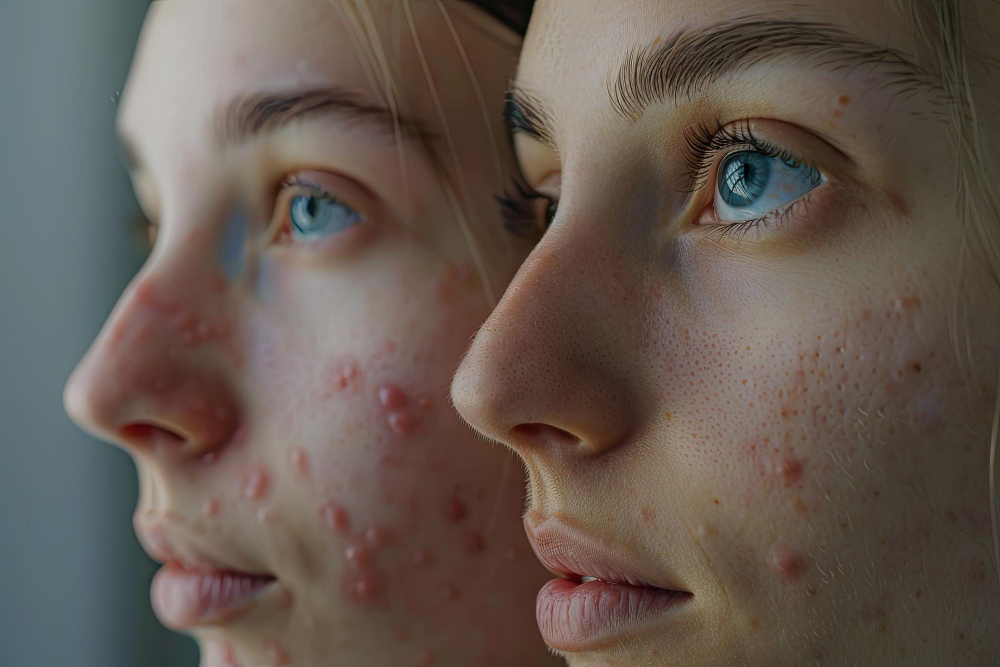
Active acne shows up as red bumps, whiteheads, blackheads, or pus-filled spots. Sometimes, these bumps can be painful or itchy. You may notice swelling or tenderness. Often, active acne appears on the face, back, or chest. For many, these breakouts come and go.
Common Causes and Triggers
Several things can cause active acne. For example, changes in hormones, stress, or oily skin can trigger breakouts. Sometimes, using greasy makeup or touching your face can make acne worse. Other common triggers include:
Because triggers vary, it is important to find what affects your skin.
What are Acne Scars?
Types of Acne Scars
Acne scars are marks left after active acne heals. There are different types of scars. For instance, atrophic scars look like small dents or pits in the skin. Hypertrophic scars are raised and thick. Some scars may look dark or red. Each type needs a different approach for treatment.
How Scars Form After Acne
When acne heals, the skin tries to repair itself. Sometimes, the healing process does not go smoothly. If the skin makes too little or too much collagen, scars can form. Picking or squeezing pimples can also increase the risk of scars. Therefore, it is best to avoid touching active acne.
Why Do Active Acne and Acne Scars Need Different Treatments?
Differences in Underlying Causes
Active acne is caused by clogged pores, bacteria, and oil. Acne scars, on the other hand, are the result of skin damage after acne heals. Because the causes are different, the treatments must be different too. Treating active acne focuses on stopping new pimples. Treating scars aims to smooth or fade marks left behind.
Risks of Using the Wrong Treatment
Using the wrong treatment can make things worse. For example, using strong scar creams on active acne may irritate your skin. Likewise, acne medicines do not remove scars. Therefore, it is important to know what you are treating. This helps you get better results and avoid side effects.
Treatment Options for Active Acne
Topical and Oral Medications
Many treatments can help clear active acne. Some common options include:
Doctors may suggest a mix of these treatments based on your skin type.
Lifestyle and Skincare Tips
Besides medicine, daily habits matter. For example, wash your face gently twice a day. Avoid picking or squeezing pimples. Use oil-free makeup and sunscreen. Also, eat a balanced diet and manage stress. These steps can help reduce breakouts.
Treatment Options for Acne Scars
Medical Procedures
Acne scars often need special treatments. Some popular options include:
These treatments should be done by a certified dermatologist or cosmetologist. Results may take time, and several sessions may be needed.
At-Home Care and Prevention Tips
At home, you can use gentle creams with vitamin C or retinoids. Always use sunscreen to prevent scars from getting darker. However, home treatments work best for mild scars. For deep scars, medical help is often needed.
Prevention and Lifestyle Guidance
Daily Skincare Routines
Good skincare can prevent both active acne and scars. Try these steps:
Consistency is key. Over time, these habits can keep your skin healthier.
Tips to Prevent Both Active Acne and Scarring
With the right care, you can reduce both breakouts and scarring.
Conclusion
In summary, knowing the difference between active acne and acne scars is important. Each needs its own treatment. Using the right approach can help you get clearer, smoother skin. For the best results, consult a certified dermatologist or cosmetologist for personalized acne and scar treatment advice.