
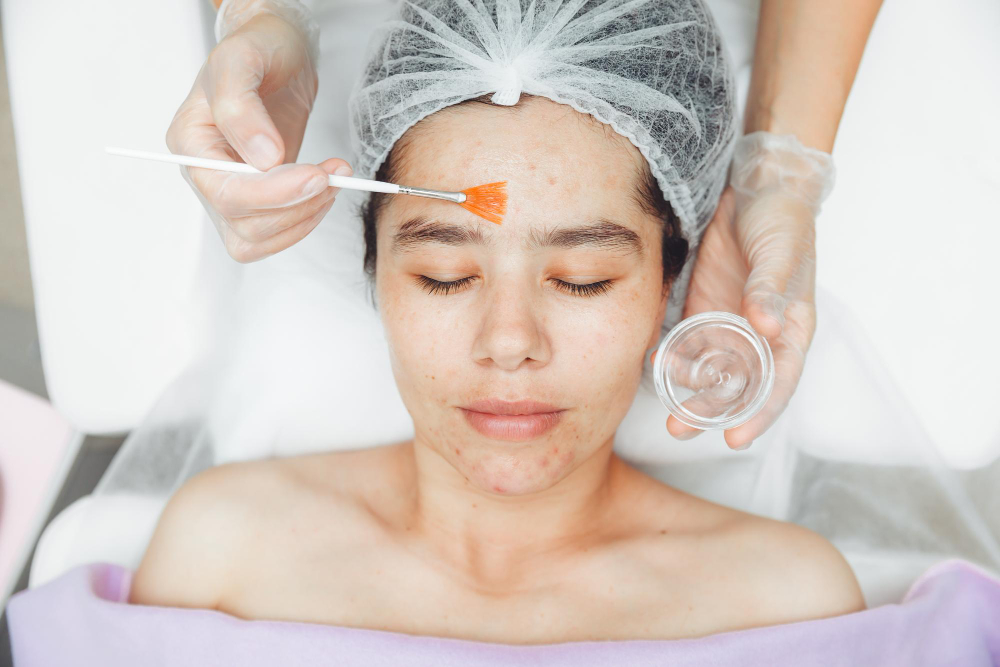
Are you searching for the best skin treatment to refresh your look? Chemical peels vs microneedling is a common question for those exploring skin rejuvenation options. Both are popular cosmetology procedures. They help improve skin texture, tone, and appearance. However, each treatment works differently. In this guide, you will learn about these minimally invasive skin treatments. You will also find out which cosmetic procedure may suit your needs best.
What Are Chemical Peels?
Chemical peels are cosmetic procedures that use special solutions to remove the top layers of your skin. As a result, new, smoother skin can grow in its place. Many people choose chemical peels to treat wrinkles, scars, or uneven skin tone. These treatments are often done in clinics or by licensed professionals. Chemical peels come in different strengths, from light to deep. Each type targets different skin concerns.
What Is Microneedling?
Microneedling is a minimally invasive skin treatment. It uses tiny, fine needles to create small holes in the skin. This process helps your skin heal and produce more collagen. Collagen is a protein that keeps your skin firm and smooth. Many people choose microneedling for facial rejuvenation. It can help with scars, fine lines, and large pores. Usually, a trained specialist performs this cosmetic procedure in a clinic.
How Do Chemical Peels Work?
During a chemical peel, a specialist applies a chemical solution to your skin. This solution causes the top layer to peel off. Afterward, new skin grows, which often looks smoother and brighter.
Benefits of Chemical Peels
Risks of Chemical Peels
Recovery After Chemical Peels
Recovery time depends on the peel’s strength. Light peels may heal in a few days. Deep peels can take up to two weeks. During recovery, you should avoid sun exposure and follow aftercare instructions.
How Does Microneedling Work?
Microneedling uses a device with tiny needles. The specialist moves this device over your skin. The small holes trigger your body’s healing process. As a result, your skin makes more collagen and elastin. This helps your skin look firmer and smoother.
Benefits of Microneedling
Risks of Microneedling
Recovery After Microneedling
Most people recover within a few days. Your skin may look red, like a mild sunburn. You should avoid makeup and sun exposure until your skin heals.
Chemical Peels vs Microneedling: Key Differences
FeatureChemical PeelsMicroneedlingHow it worksUses chemical solution to peel skinUses tiny needles to boost collagenMain benefitsBrightens, smooths, fades spotsFirms, reduces scars, shrinks poresDowntimeFew days to two weeks1-3 daysRisksRedness, peeling, rare scarringRedness, swelling, rare infectionBest forUneven tone, sun damageScars, fine lines, large pores Which Treatment Is Right for You?
Choosing between chemical peels and microneedling depends on your skin type, concerns, and lifestyle. Here are some factors to consider:
It is important to talk to a licensed cosmetology specialist. They can help you pick the best option for your skin goals.
Safety Tips and Aftercare
For safe results, always follow these tips:
According to the American Academy of Dermatology, following aftercare steps helps lower risks and improves results.
Frequently Asked Questions
For more information, you can visit trusted sources like the American Academy of Dermatology or the World Health Organization.
Consult a licensed cosmetology specialist to determine the best treatment for your skin needs.