
Hair Transplantation: Procedure, Benefits, and Long-Term Results

Introduction to Hair Transplantation

Hair transplantation is a medical procedure that moves hair from one part of your body to another. Usually, doctors take hair from the back or sides of your head and place it where hair is thinning or missing. Many people choose hair transplantation to restore hair lost due to age, genetics, or other reasons. This hair restoration surgery can help boost confidence and improve appearance.

Common Causes of Hair Loss

Many people experience hair loss for different reasons. Understanding the cause can help you decide if hair transplantation is right for you. Some common causes include:

  • Genetics (family history of baldness)
  • Hormonal changes
  • Medical conditions, such as thyroid problems
  • Certain medications
  • Stress or poor nutrition
  • Injuries or burns
  • However, not everyone with hair loss is a good candidate for hair restoration surgery. A doctor can help you find the best solution.

    Types of Hair Transplant Procedures

    There are two main types of hair transplant procedures. Each has its own method and benefits. The most common types are:

  • Follicular Unit Extraction (FUE): Doctors remove individual hair follicles from the donor area and place them in the thinning area. This method leaves tiny scars that are hard to see.
  • Follicular Unit Transplantation (FUT): Doctors remove a strip of skin with hair from the donor area. They then divide it into small grafts and place them in the bald area. This method may leave a thin scar.
  • Both methods can give natural-looking results. Your doctor will help you choose the best option.

    Step-by-Step Overview of the Hair Transplant Process

    Knowing what to expect can make you feel more comfortable. Here is a simple step-by-step guide:

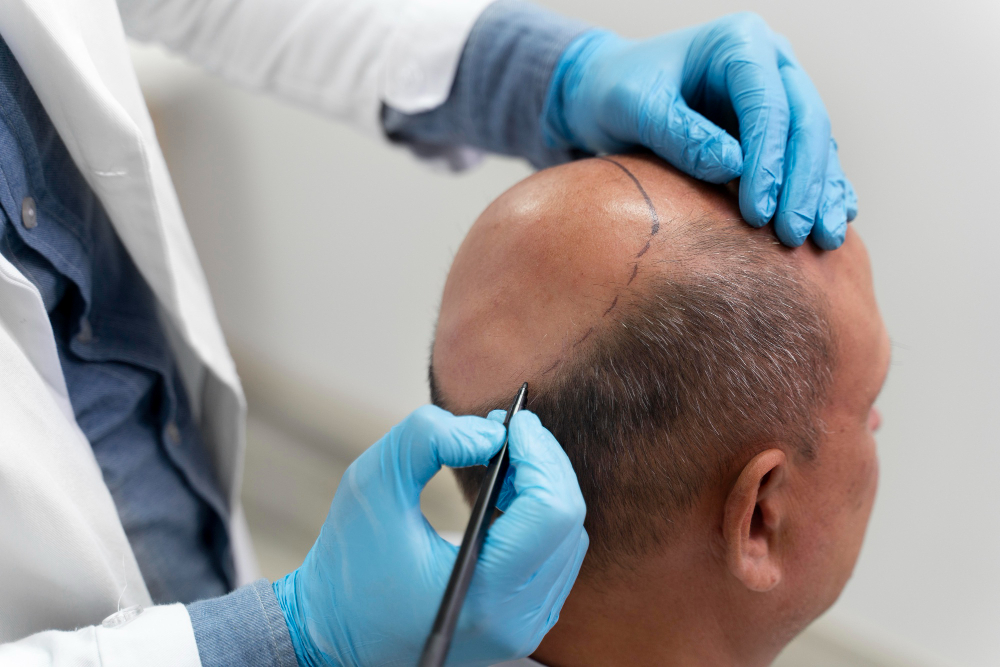
  • Consultation: First, you meet with a hair restoration specialist. They check your scalp and talk about your goals.
  • Preparation: Next, the doctor cleans and numbs your scalp. Sometimes, they trim the donor area.
  • Harvesting Hair: Then, the doctor removes hair follicles using FUE or FUT.
  • Graft Preparation: After that, the team prepares the hair grafts for placement.
  • Transplantation: The doctor makes tiny holes in the thinning area and places the grafts.
  • Recovery: Finally, you receive instructions for aftercare and healing.
  • Most hair transplant procedures take several hours. You can usually go home the same day.

    Benefits and Expected Results

    Hair transplantation offers many benefits. For example, it can:

  • Restore natural hair growth
  • Boost self-confidence
  • Provide long-lasting results
  • Require little ongoing maintenance
  • Although results vary, most people see new hair growth within three to six months. Full results often appear after one year. According to the American Academy of Dermatology, transplanted hair usually grows like normal hair.

    Potential Risks and Complications

    Like any surgery, hair transplantation has some risks. However, most side effects are mild and temporary. Possible risks include:

  • Swelling or redness of the scalp
  • Infection at the transplant site
  • Scarring
  • Temporary hair shedding (shock loss)
  • Uneven hair growth
  • But with proper care and a skilled doctor, serious problems are rare. Always follow your doctor’s advice to lower your risk.

    Aftercare and Recovery Tips

    Proper aftercare helps you heal faster and get the best results. Here are some helpful tips:

  • Keep your scalp clean and dry for the first few days
  • Avoid touching or scratching the transplant area
  • Follow your doctor’s instructions for washing your hair
  • Stay out of direct sunlight for a few weeks
  • Do not do heavy exercise until your doctor says it’s safe
  • Take any prescribed medicines as directed
  • If you notice pain, swelling, or signs of infection, contact your doctor right away.

    Prevention of Further Hair Loss

    Even after hair transplantation, you may still lose some natural hair. To help prevent further hair loss:

  • Eat a balanced diet rich in vitamins and minerals
  • Manage stress with relaxation techniques
  • Avoid harsh hair treatments or tight hairstyles
  • Talk to your doctor about medicines that slow hair loss
  • Regular check-ups with your hair restoration specialist can help you keep your hair healthy.

    Frequently Asked Questions

  • Is hair transplantation painful? Most people feel only mild discomfort. Doctors use local anesthesia to numb the area.
  • How long does recovery take? Most people return to normal activities in a few days. Full healing takes a few weeks.
  • Will the results look natural? Yes, when done by a skilled doctor, transplanted hair looks and feels natural.
  • Can anyone get a hair transplant? Not everyone is a good candidate. Your doctor will check your health and hair type first.
  • Are the results permanent? Transplanted hair is usually permanent, but you may still lose some natural hair over time.
  • Conclusion

    Hair transplantation can restore your hair and confidence. However, it is important to understand the procedure, risks, and aftercare. For the best results, always choose a certified hair restoration specialist. Consult a certified cosmetologist or hair restoration specialist for personalized advice on hair transplantation.