
Introduction
PRP for hair fall is gaining attention as a non-surgical hair restoration option. Many people want safe and effective ways to treat hair loss. Platelet-rich plasma (PRP) therapy uses your own blood to help stimulate hair growth. Because it is natural and minimally invasive, more people are considering PRP hair treatment. In this blog, you will learn how PRP for hair fall works, its benefits, and what to expect.
What is PRP Therapy for Hair Fall?
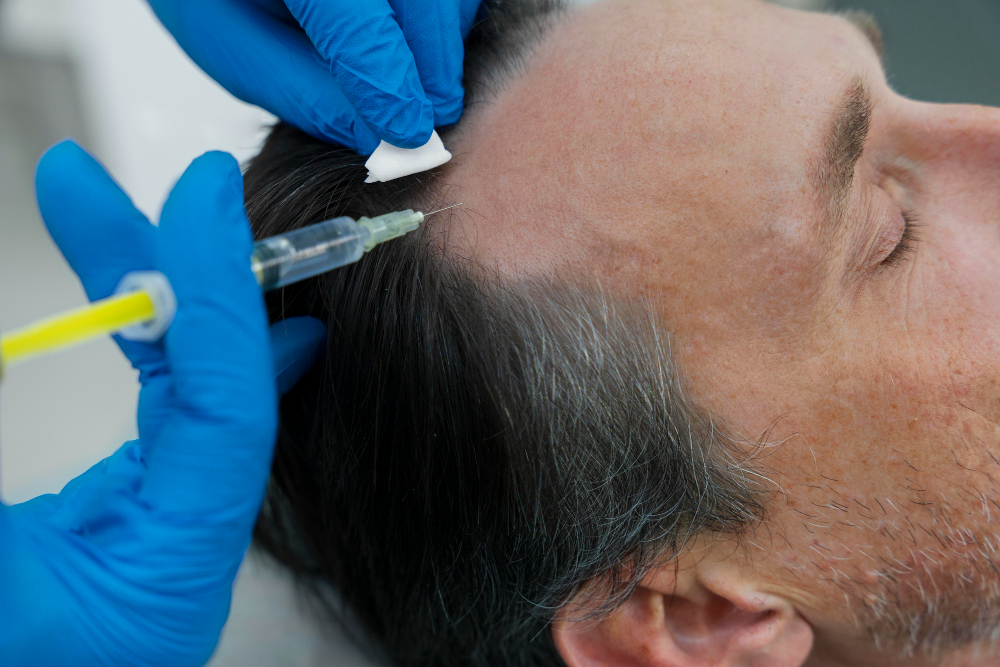
PRP stands for platelet-rich plasma. It is a part of your blood that contains special cells called platelets. These platelets help heal tissues and promote growth. In PRP therapy, a doctor takes a small amount of your blood. Then, they spin it in a machine to separate the platelets. After that, the doctor injects the platelet-rich plasma into your scalp. This process aims to boost hair growth in areas with thinning hair.
How Does PRP Work for Hair Loss?
PRP hair treatment works by using your body’s natural healing powers. First, the platelets release growth factors. These growth factors help repair hair follicles and encourage new hair to grow. As a result, hair may become thicker and healthier. Some studies suggest that PRP can slow hair loss and even regrow hair in some people. However, results can vary from person to person.
Who is a Good Candidate for PRP?
Not everyone is the right fit for PRP for hair fall. Generally, you may be a good candidate if:
However, people with complete baldness or certain medical issues may not benefit as much. Therefore, it is important to talk to a doctor before starting PRP hair treatment.
Benefits of PRP for Hair Fall
PRP therapy benefits many people looking for non-surgical hair restoration. Some key benefits include:
Because PRP is natural, many people feel comfortable choosing this option.
Risks and Side Effects of PRP
Although PRP for hair fall is generally safe, some risks exist. Most side effects are mild and temporary. For example, you may notice:
Serious side effects are rare. However, infection or injury can occur if the procedure is not done properly. Always choose a trained and qualified doctor for PRP hair treatment.
What to Expect During PRP Treatment
During PRP therapy, the process is simple and quick. Here is what usually happens:
The whole session often takes less than an hour. Most people need several sessions, spaced a few weeks apart, for best results. After treatment, you can return to normal activities the same day.
Results: What Do Studies Show?
Many studies have looked at PRP for hair fall. According to research published in peer-reviewed journals, PRP can improve hair count and thickness in some people (source: PubMed, 2020). However, results are not the same for everyone. Some people see great improvement, while others notice only mild changes. Because of this, doctors often suggest combining PRP with other treatments for better results.
Tips for Maximizing PRP Results
To get the most from PRP hair treatment, consider these tips:
Additionally, regular follow-ups with your doctor can help track your progress.
Frequently Asked Questions about PRP for Hair Fall
In summary, PRP for hair fall offers a promising, non-surgical option for many people. However, results can vary. Consult a qualified dermatologist or trichologist to find out if PRP for hair fall is right for you.